
Oak has been a dominant material in Central European furniture making for several centuries. Its density and pronounced grain make it visually distinctive, but those same qualities mean that restoration work requires a different approach than softwoods like pine. A piece showing surface damage, dried-out wood, or loose joints is not necessarily beyond repair — the majority of issues encountered in older oak tables are addressable with patience and the right sequence of steps.
Step 1: Initial Assessment
Before reaching for tools, spend time examining the piece under good light, ideally raking light at a low angle. This reveals surface irregularities — scratches, dents, old finish build-up, and areas where the wood has been exposed to moisture.
Check the underside and legs for structural concerns: loose mortise-and-tenon joints, cracked stretchers, or previous repairs using the wrong type of adhesive. Tap joints with a rubber mallet — a hollow sound suggests dried-out glue. Oak table tops often develop seasonal movement cracks along the grain, and these can be wide or barely visible depending on the age of the piece.
A thorough assessment before any stripping or sanding prevents irreversible decisions. Document the condition with photographs, noting any original hardware, maker's marks, or regional joinery details that identify the period and origin.
Step 2: Disassembly and Joint Repair
If structural joints are loose, they need attention before surface work begins. Old hide glue — common in furniture made before the 1950s — can be reactivated with warm water, making disassembly relatively clean. Introduce a small amount of warm water at the joint line and allow it to penetrate for 15–30 minutes before applying gentle leverage.
Once apart, clean both surfaces of old glue residue using a cabinet scraper or a chisel held flat. Reglue with hot hide glue or a high-quality PVA woodworking adhesive, clamp, and allow to cure fully before proceeding. Avoid polyurethane or epoxy fillers inside structural joints — they do not allow for wood movement and can cause splits over time.
Dealing with Larger Cracks
Through-cracks along the grain in tabletops are a common issue in older oak furniture. For gaps wider than 2mm, fill with a custom-blended mixture of fine oak sawdust and wood glue, pressed in with a putty knife. For very wide gaps, a matching oak spline cut to fit and glued in place gives a more durable and visually consistent result. The spline grain direction should match the surrounding wood.
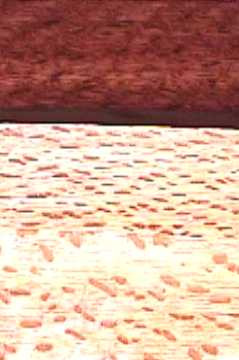
Step 3: Stripping the Old Finish
Oak furniture from the late 19th and early 20th century was often finished with shellac or oil-based varnish. Both respond to different stripping approaches. Shellac dissolves in denatured alcohol — a useful property if the finish is in reasonable shape and only needs refreshing rather than full removal. Varnish and lacquer require either a chemical stripper or mechanical removal.
For chemical stripping, a paste-type stripper applied generously and covered with plastic film works well on oak's open grain. Dwell time varies — follow manufacturer instructions, but typically 20–45 minutes is sufficient to lift older finishes. Work in sections, scraping off the residue with a plastic scraper to avoid gouging the surface. Clean the wood afterwards with mineral spirits or a recommended neutraliser, then allow to dry completely.
Sanding Sequence
Once clean and dry, sanding follows a progression: start at 80 grit if there is significant residue or surface unevenness, move to 120, then 150, finishing at 180 for most oak pieces. Always sand with the grain. Cross-grain scratches left by coarser grits are difficult to conceal after staining because oak's pronounced grain holds pigment differently across and along the fibres.
Step 4: Grain Raising and Final Preparation
Oak has an open-pore structure. Before applying any water-based product, dampen the surface lightly with water, allow it to dry fully, then sand back with 220 grit. This process — known as grain raising — lifts fine fibres in advance so that they are cut away before finishing, preventing a rough texture in the final coat.
If the piece will receive an oil finish, no grain raising is necessary. Oils penetrate rather than build on the surface, so the final sanded surface can go straight to the finishing stage after a thorough blow-off and tack cloth pass.
Polish furniture restoration specialists and hobbyists often source materials through Leroy Merlin Poland for basic supplies and through specialist finishing importers for professional-grade oils and stains.